I Am a College Student. Are La Roche-Posay Products Better for Acne-Prone Skin Than Neutrogena?

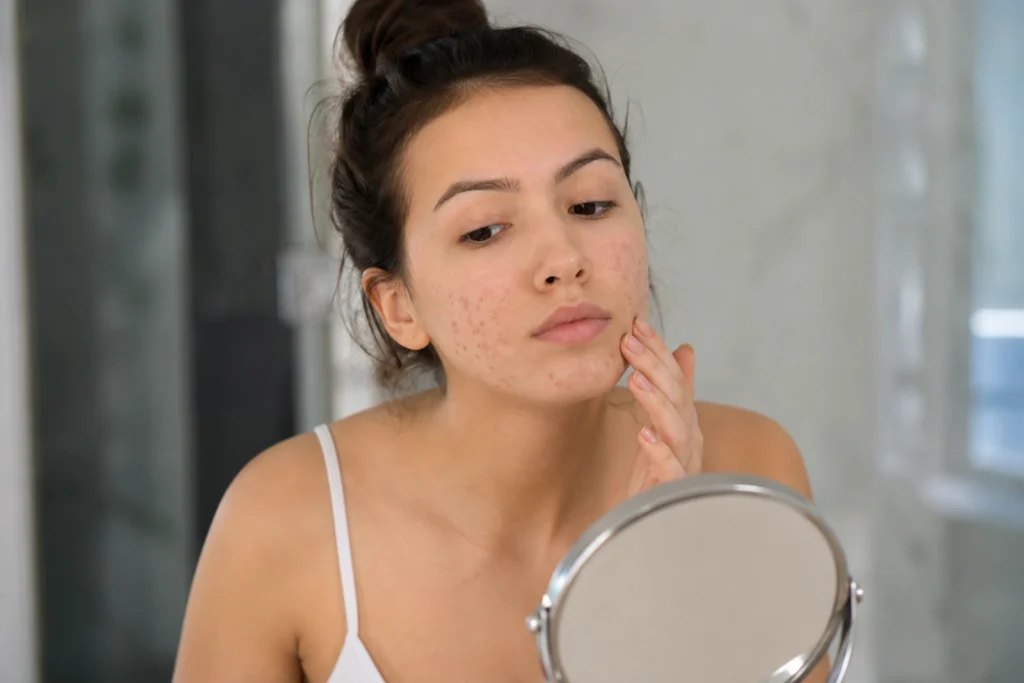
Acne-prone skin can be challenging for college students, especially when balancing skincare effectiveness with a limited budget. When comparing La Roche-Posay and Neutrogena, La Roche-Posay is generally considered the better choice for acne-prone skin, particularly for those with sensitivity, redness or a weakened skin barrier.
Its Effaclar range combines ingredients such as Salicylic Acid, Niacinamide and LHA to target breakouts while remaining gentle on the skin. Neutrogena, however, remains a strong option for students seeking affordable and accessible acne care products.
Key Takeaways:
- La Roche-Posay is often preferred for sensitive acne-prone skin.
- The Effaclar range is specifically formulated for blemish-prone skin.
- Neutrogena offers more budget-friendly skincare options.
- Both brands use effective acne-fighting ingredients, including Salicylic Acid.
- La Roche-Posay focuses more on skin barrier support and irritation prevention.
- Neutrogena may suit students who need stronger acne treatments at a lower cost.
- A simple, consistent skincare routine is often more effective than using multiple products.
- The best choice depends on skin type, acne severity and budget.
Why Do College Students Struggle More with Acne-Prone Skin?

College life can be tough on the skin. Late nights, stress, irregular meals, shared accommodation, changing routines and exam pressure can all contribute to breakouts. For many UK students, acne-prone skin becomes harder to manage because skincare needs to be effective, affordable and easy to maintain.
Acne is not only about oily skin. It can also be linked to blocked pores, bacteria, inflammation, hormones and a weakened skin barrier. That is why choosing between La Roche-Posay and Neutrogena is not just about popularity. It depends on skin sensitivity, budget and how strong the acne treatment needs to be.
Is La Roche-Posay Better for Acne-Prone Skin Than Neutrogena?
For many people with sensitive, acne-prone skin, La Roche-Posay is often the better option. Its Effaclar range is designed specifically for oily and blemish-prone skin while still being gentle enough for sensitive skin.
Neutrogena can also be effective, especially for students who want more affordable products. However, some Neutrogena acne products may feel stronger or more drying, particularly when they contain potent active ingredients.
| Brand | Best For | Main Strength | Possible Drawback |
| La Roche-Posay | Sensitive acne-prone skin | Gentle, dermatologist-backed formulas | Higher price |
| Neutrogena | Budget acne care | Affordable and easy to find | Some products may feel harsh |
| La Roche-Posay Effaclar | Oily, blemish-prone skin | Barrier-friendly acne support | Not always cheapest |
| Neutrogena Hydro Boost | Dehydrated oily skin | Lightweight hydration | Not a full acne treatment |
La Roche-Posay’s Dermatology-Focused Approach
La Roche-Posay is known for formulas created with sensitive skin in mind. Its Effaclar products often include ingredients such as salicylic acid, niacinamide and LHA, which help manage blocked pores, oiliness and visible blemishes without always overwhelming the skin.
Neutrogena’s Accessible and Affordable Approach
Neutrogena is widely available in UK shops and online, making it easier for students to buy. Its acne ranges are often cheaper and can suit those who need simple, practical skincare without spending too much.
Why Do Dermatologists Often Recommend La Roche-Posay for Acne-Prone Skin?
Dermatologists often prefer products that treat spots without damaging the skin barrier. La Roche-Posay is popular because many of its products are non-comedogenic, lightweight and suitable for sensitive skin.
A skincare professional described the difference clearly:
“I often see students using the strongest acne products they can find, but their skin becomes red, dry and irritated. A gentler routine with ingredients like niacinamide, salicylic acid and barrier-supporting hydration can often be easier to use consistently.”
This matters because acne-prone skin does not always need aggressive treatment. It often needs consistency.
Key Ingredients Found in the Effaclar Range
| Ingredient | What It Does | Why It Helps Acne-Prone Skin |
| Salicylic acid | Exfoliates inside pores | Helps reduce clogged pores |
| Niacinamide | Calms and supports skin | Helps reduce redness |
| LHA | Gentle exfoliation | Smooths texture |
| Zinc | Helps control shine | Useful for oily skin |
| Thermal spring water | Soothes skin | Supports sensitive skin comfort |
What Makes Neutrogena a Popular Choice for Students?
Neutrogena remains a strong choice because it is affordable, familiar and easy to fit into a student budget. Many students do not want a complicated skincare routine, and Neutrogena offers cleansers, moisturisers and spot treatments that are simple to understand.
Its strengths include:
- Lower prices compared with many pharmacy skincare brands
- Easy availability in Boots, Superdrug and supermarkets
- Lightweight moisturisers for oily or combination skin
- Stronger acne-focused products in selected ranges
Neutrogena Hydro Boost Water Gel is particularly useful for students who need hydration without a heavy or greasy finish. Although it is not an acne treatment, it can support skin that feels tight from cleansers or spot products.
How Do the Acne-Fighting Ingredients Compare Between the Two Brands?
Both brands use recognised skincare ingredients, but they approach acne differently. La Roche-Posay usually focuses on gentle effectiveness, while Neutrogena often focuses on accessible, direct acne treatment.
| Ingredient | La Roche-Posay | Neutrogena | Best For |
| Salicylic acid | Common in Effaclar products | Found in acne ranges | Blackheads and clogged pores |
| Niacinamide | Common | Less central | Redness and irritation |
| Benzoyl peroxide | Less common in UK ranges | Found in some acne products | Inflamed spots |
| Hyaluronic acid | In hydration products | Key in Hydro Boost | Dehydrated skin |
| Fragrance-free options | Available | Available in selected products | Sensitive skin |
A pharmacy skincare adviser might explain it this way:
“For a student with easily irritated skin, I would usually suggest starting with a gentle cleanser and a light moisturiser before adding stronger acne treatments. The product that works best is often the one the person can use without stopping due to dryness.”
That is why La Roche-Posay may be better for long-term use, while Neutrogena may suit students who need a cheaper starting point.
Which Brand Is Better for Sensitive Acne-Prone Skin?
La Roche-Posay is usually the safer choice for sensitive acne-prone skin. Acne products can sometimes make skin worse if they strip too much oil or cause peeling. When the skin barrier becomes weak, breakouts, redness and stinging can become more common.
Students with sensitive skin should look for:
- Non-comedogenic formulas
- Lightweight moisturisers
- Gentle cleansers
- Fragrance-free or low-irritation products
- Ingredients that calm as well as treat
| Skin Concern | Better Choice | Reason |
| Sensitive breakouts | La Roche-Posay | Gentler acne-focused formulas |
| Tight, dehydrated skin | Neutrogena Hydro Boost | Lightweight hydration |
| Oily skin with clogged pores | La Roche-Posay Effaclar | Targets oil and blemishes |
| Low student budget | Neutrogena | More affordable |
| Redness and irritation | La Roche-Posay | Better barrier support |
What Are the Best La Roche-Posay Products for College Students with Acne?
For students building a simple routine, La Roche-Posay Effaclar products are a strong option.
| Product | Best Use | Why It Helps |
| Effaclar Purifying Cleansing Gel | Daily cleansing | Removes oil without heavy stripping |
| Effaclar Duo+M | Lightweight moisturising and blemish care | Helps with spots, marks and oil control |
| Effaclar H Iso-Biome | Dry or irritated acne-prone skin | Supports skin barrier comfort |
A basic routine could include cleansing in the evening, applying a light moisturiser and using SPF in the morning. Students should avoid adding too many acne products at once, as this can increase irritation.
Which Neutrogena Products Are Worth Considering for Acne-Prone Skin?
Neutrogena is useful for students who want practical skincare at a lower price. Hydro Boost Water Gel is one of its best-known products because it hydrates without feeling heavy.
The Clear & Defend range may suit oily and blemish-prone skin, while stronger acne treatments may be better for targeted use rather than all-over daily application.
Neutrogena may be a good option when:
- The budget is limited
- The skin is oily but not very sensitive
- A simple moisturiser is needed
- Stronger spot care is preferred for occasional breakouts
How Can College Students Build an Effective and Affordable Acne Skincare Routine?
A student skincare routine does not need to include many products. In fact, using fewer products often works better for acne-prone skin.
| Routine Step | Morning | Evening |
| Cleanse | Gentle cleanser if oily | Cleanser to remove SPF and oil |
| Treat | Light acne product if tolerated | Spot treatment or Effaclar Duo+M |
| Moisturise | Oil-free moisturiser | Lightweight moisturiser |
| Protect | SPF | Not needed unless advised |
A balanced routine might include La Roche-Posay for treatment and Neutrogena for hydration. Mixing brands is fine as long as the products suit the skin and do not cause irritation.
Should a Student Choose La Roche-Posay or Neutrogena for Acne-Prone Skin?
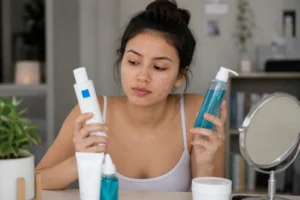
La Roche-Posay is generally the better choice for acne-prone skin, especially when sensitivity, redness or irritation is a concern. Its Effaclar range offers a more targeted and skin-friendly approach.
Neutrogena is still worth considering for students who need affordable, easy-to-find products. It may be particularly useful for lightweight hydration or occasional stronger acne care.
The best choice depends on the student’s main concern:
| Student Need | Recommended Brand |
| Sensitive acne-prone skin | La Roche-Posay |
| Cheapest option | Neutrogena |
| Gentle daily acne routine | La Roche-Posay |
| Lightweight hydration | Neutrogena |
| Breakouts with redness | La Roche-Posay |
Conclusion
La Roche-Posay is generally better for acne-prone skin than Neutrogena when the priority is gentle, targeted and dermatologist-recommended skincare. Its Effaclar range is especially suitable for students dealing with spots, oiliness, redness and sensitivity.
Neutrogena remains a good option for students on a tighter budget, particularly for hydration and basic acne care. However, those with reactive or easily irritated skin may find La Roche-Posay easier to use consistently.
FAQs
Can La Roche-Posay help reduce acne marks as well as breakouts?
Yes, products such as Effaclar Duo+M are designed to help with blemishes and visible post-acne marks, although results take time and depend on regular use.
Is Neutrogena suitable for daily use on oily skin?
Yes, many Neutrogena products are suitable for daily use, especially lightweight moisturisers. Stronger acne products should be introduced slowly.
How long does acne skincare take to work?
Most acne skincare routines need at least six to twelve weeks before clear improvement is visible.
Can La Roche-Posay and Neutrogena be used together?
Yes, students can combine them. For example, they may use a La Roche-Posay acne product with Neutrogena Hydro Boost moisturiser.
Which brand is better for combination skin?
La Roche-Posay is often better for combination skin with sensitivity, while Neutrogena may suit combination skin needing lightweight hydration.
Are expensive acne products always better?
No. More expensive products are not always better, but formulas that are gentle and well-targeted may be easier to use consistently.
What habits can make student acne worse?
Sleeping in makeup, skipping cleansing, over-exfoliating, stress, poor sleep and changing products too often can all make acne harder to manage.

Jennifer contributes business-focused articles covering modern business trends, digital growth, entrepreneurship, and practical insights designed to support startups and SMEs.

I Am a Gen Z Man. Are Nivea Body Lotions Better Than Vaseline for Dry Skin?
If you're a Gen Z man wondering whether Nivea body lotions are better than Vaseline for dry skin, the short answer is that Nivea is often the better…

Does DHL Deliver on Weekends?
Yes, DHL delivers on weekends in the UK, but the service is primarily limited to Saturdays. DHL eCommerce UK offers a Saturday delivery upgrade on eligible domestic shipments,…
Insights for the Modern
UK Small Business.
Join 15,000+ owners receiving tactical analysis on finance, marketing, and technology. No clutter.
Zero spam. Unsubscribe in one click.