Has the Tube Strike Been Cancelled in May 2026?

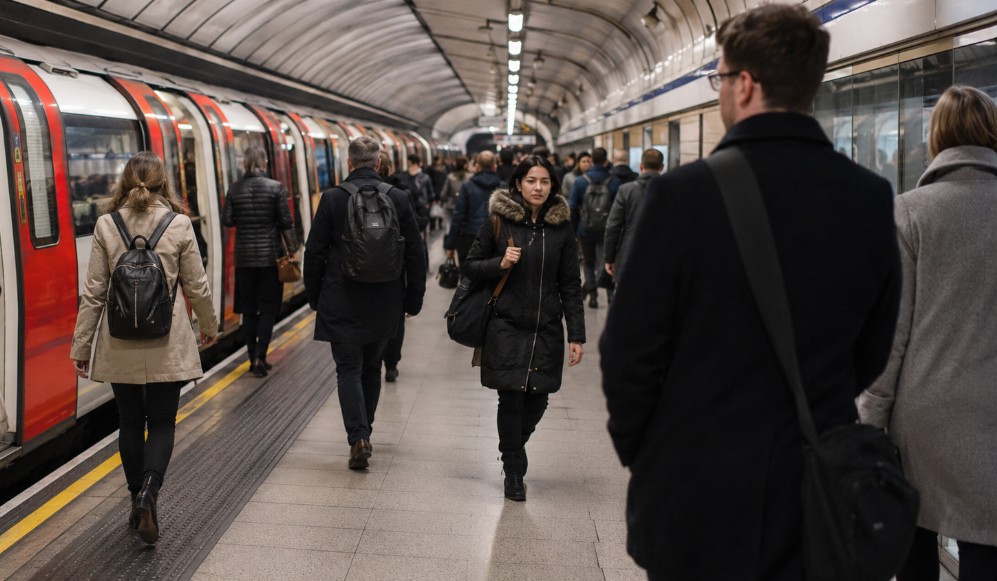
Yes, the planned London Tube strikes scheduled for Tuesday 20 May and Thursday 22 May 2026 have been suspended after last-minute talks between Transport for London (TfL) and the RMT union. The strikes were expected to cause major disruption across several Underground lines, but both sides agreed to continue negotiations over concerns involving driver fatigue, safety, and new rostering arrangements linked to a proposed voluntary four-day working week.
Key updates for commuters:
- London Underground services are currently running normally
- Future strike action could still take place in June
- The dispute centres on working conditions and shift patterns
- TfL and union representatives are continuing negotiations
- Passengers are still being advised to monitor official travel updates
While the immediate disruption has been avoided, the wider disagreement between TfL and the unions has not yet been fully resolved.
Why Were the Planned London Tube Strikes Suspended at the Last Minute?
The London Tube strikes were suspended after late negotiations between TfL and the RMT union.
The RMT said “at the 11th hour the employer has shifted its position”, allowing further discussions around fatigue, safety concerns, and roster changes. The move avoided several days of major disruption across the Underground network.
TfL welcomed the decision, with London Underground operations director Nick Dent calling it “good news for London”.
However, the dispute has not been fully resolved, and unions warned that strike action could still return if negotiations fail to make progress.
What Was the Dispute Between TfL and the RMT Union Actually About?

The disagreement between TfL and the RMT union mainly focused on a proposed voluntary four-day working week for Tube drivers. TfL argued the changes could improve work-life balance and service reliability, while the RMT raised concerns about safety, fatigue, and compressed working hours.
The issue gained significant attention because different unions responded very differently to the same proposal. While some viewed it as a modern improvement to working practices, others believed it could place additional pressure on drivers and reduce flexibility within working schedules.
Why Did TfL Support the Four-Day Week Proposal?
TfL said the proposal was designed to give drivers more flexibility while helping improve passenger services across the network. Under the voluntary arrangement, drivers could work compressed hours over four days instead of five.
Nick Dent explained:
“Our proposal for a voluntary four-day week is designed to improve both work-life balance for drivers and the reliability of service for customers.”
TfL also stressed that participation would remain optional rather than mandatory.
Supporters of the proposal believed it could:
- Provide drivers with additional days off annually
- Improve recruitment and staff retention
- Help stabilise service reliability during busy travel periods
The transport authority viewed the proposal as part of broader efforts to modernise working arrangements across London Underground operations.
Why Did the RMT Raise Safety and Fatigue Concerns?
The RMT argued that compressed working patterns could create longer shifts and increase fatigue among Tube drivers. Union leaders questioned whether the changes would genuinely improve working conditions or simply condense existing workloads into fewer days.
The union described the proposal as a “fake four-day week that amounts to five days’ work compressed into four”. Concerns focused heavily on operational safety and driver wellbeing.
Key concerns included:
- Reduced flexibility in rostering
- Longer working shifts
- Potential fatigue-related safety risks
- Pressure on drivers during demanding schedules
The union maintained that safety standards must remain the priority during any operational restructuring. These concerns became central to negotiations with TfL.
Why Did Aslef Agree While the RMT Opposed the Plan?
Unlike the RMT, the Aslef union supported the proposal and described it positively for Tube drivers. Aslef believed the arrangement represented a major improvement in working conditions if implemented voluntarily.
A memo from Aslef’s London organiser reportedly described the plan as “the biggest improvement in working conditions for underground train drivers in decades”.
Aslef argued drivers could gain around 35 additional days off each year in exchange for relatively modest adjustments to shift arrangements. The differing responses between the unions highlighted how industrial negotiations can involve varying priorities even among groups representing similar workers.
The disagreement also contributed to public confusion, with many commuters struggling to understand why one union accepted the proposal while another continued preparing strike action.
Which Tube Lines Were Expected to Be Most Affected Before the Strike Was Cancelled?
Before the strike suspension was announced, TfL had warned passengers to prepare for major disruption across multiple Underground lines. The planned industrial action was expected to affect travel over several consecutive days because service recovery would likely continue after the official strike periods ended.
Some lines were expected to face complete shutdowns, while others would operate with reduced or partial services.
| Tube Line | Expected Impact Before Cancellation |
| Circle Line | No service expected |
| Piccadilly Line | No service expected |
| Metropolitan Line | Partial suspension |
| Central Line | Partial disruption |
| Other Lines | Reduced services and delays |
TfL had advised passengers to plan ahead, allow extra travel time, and consider alternative transport options where possible. The transport authority anticipated overcrowding, longer waiting times, and reduced train frequencies across the network.
The cancellation came as a relief for commuters, tourists, and businesses across London. Many hospitality venues and retailers had already expressed concerns about reduced visitor numbers and cancelled bookings during the planned disruption period.
The suspension also helped avoid additional pressure on buses, taxis, and overground rail services that would likely have experienced increased passenger demand.
Are Future London Underground Strikes Still Possible?

Although this week’s Tube strikes were suspended, future industrial action remains possible if negotiations between TfL and the unions fail to produce an agreement. The RMT made clear that the dispute is “not over”, meaning commuters could still face disruption later in the year.
For many passengers, the latest developments provided short-term relief rather than a permanent resolution. Both TfL and union representatives are continuing discussions over rostering changes, working conditions, and fatigue concerns.
What New Strike Dates Have Been Mentioned?
The original June strike dates were adjusted following the latest negotiations. According to union announcements, industrial action planned for 16 and 18 June has now been replaced with proposed strike dates on 2 and 4 June if discussions break down again.
At this stage, these dates remain conditional rather than confirmed disruptions. The unions have indicated they are willing to continue talks before deciding whether further industrial action is necessary.
Passengers should remember:
- No immediate strike action is currently taking place
- Future disruption depends on negotiation progress
- TfL services are operating normally for now
- Official announcements could still change quickly
This uncertainty is one reason why many commuters continue monitoring TfL updates daily.
What Needs to Happen to Avoid More Tube Strikes?
Avoiding future Tube strikes will depend on whether TfL and the unions can agree on working conditions, safety concerns, and rostering arrangements. Discussions are continuing, but disagreements still remain around fatigue protections, flexible schedules, and voluntary participation.
Business groups have also called for a long-term solution. Ed Richardson from BusinessLDN warned that many firms had already faced cancelled bookings and financial disruption, adding that further strikes could affect London’s economy during the busy summer season.
How Could Tube Strike Disruption Affect London Businesses and Daily Commuters?
Tube strike disruption can heavily affect both commuters and businesses across London. Retail shops, restaurants, and hospitality venues often face fewer customers, staffing problems, and cancelled bookings during transport disruption.
For commuters, strikes can lead to:
- Longer journey times
- Higher travel costs
- Difficulty reaching workplaces
- Disrupted daily routines
BusinessLDN also warned that prolonged disruption could impact London’s economy during the busy summer period. The latest strike suspension therefore provided relief for passengers, employers, and small businesses across the capital.
What Is Confirmed Information and What Is Still Uncertain About the Tube Strike Situation?
The planned Tube strikes for this week were officially suspended after renewed talks between TfL and the RMT union, and services are currently operating normally. However, future strike action is still possible because negotiations over the four-day week proposal remain unresolved.
Passengers should also be cautious of misinformation online claiming all strike threats have permanently ended. Official TfL updates and verified news sources remain the most reliable sources for the latest developments.
Why Has the Tube Strike Situation Received So Much Public Attention Across the UK?

The London Underground is one of the UK’s busiest transport systems, so any strike threat can quickly affect commuters, businesses, tourists, and major events across London. Even outside the capital, Tube strike news gains national attention because of its economic impact and disruption to daily life.
The dispute over the proposed four-day week also triggered wider discussions about working conditions, staff wellbeing, and transport reliability. Different responses from the RMT and Aslef unions further increased public interest in the situation.
What Can London Passengers Expect Over the Coming Weeks?
For now, London Underground services are running normally after the strike suspension. However, negotiations between TfL and the unions are still continuing, meaning future strikes remain possible.
Possible outcomes over the coming weeks include:
- A successful agreement preventing further strikes
- Continued negotiations without disruption
- Renewed industrial action if talks fail
Passengers should continue checking official TfL updates regularly, especially before important journeys. While immediate disruption has been avoided, the wider dispute has not yet been fully resolved.
Conclusion
The latest London Tube strike suspension has provided temporary relief for commuters, businesses, and visitors across the capital. Planned disruption was avoided after last-minute discussions between TfL and the RMT created enough progress for further negotiations to continue.
However, the wider dispute over the proposed four-day working arrangement has not been fully settled. Concerns around fatigue, safety, and rostering still remain active topics during ongoing talks. Different responses from the RMT and Aslef unions also show how divided opinions remain within the transport sector.
For now, Tube services are operating normally, but future strike action remains possible if negotiations break down again. Passengers should continue monitoring official TfL updates and avoid relying on rumours or unverified social media claims while discussions continue behind the scenes.
FAQs
Has the Tube strike officially been cancelled or just postponed?
The planned Tube strikes for this week were suspended following renewed negotiations between TfL and the RMT union. However, the wider dispute has not been fully resolved, meaning future strike action could still happen.
Which London Underground lines were expected to shut down?
The Circle and Piccadilly lines were expected to face complete service suspensions before the strikes were called off. Parts of the Metropolitan and Central lines were also likely to experience serious disruption and delays.
Why is the RMT union unhappy with the four-day week proposal?
The RMT believes the proposed four-day week could lead to longer shifts, increased fatigue, and safety concerns for Tube drivers. The union has also criticised the plan as compressed working hours rather than a genuine reduction in workload.
Are Tube services running normally now?
Yes, London Underground services are currently operating normally after the strike suspension announcement. TfL has continued advising passengers to check live travel updates in case negotiations change the situation later.
Could there still be Tube strikes later this year?
Yes, the RMT has warned that more industrial action could follow if discussions with TfL do not progress positively. Proposed strike dates have already been mentioned as part of ongoing negotiations.
How can commuters check future TfL strike updates?
Passengers can monitor official updates through the TfL website, station announcements, and verified transport news coverage. Checking travel alerts before important journeys can help commuters avoid unexpected disruption.
What impact do Tube strikes have on London businesses?
Tube strikes can reduce customer footfall, delay staff travel, and affect bookings across retail, hospitality, and tourism sectors. Many businesses rely heavily on regular commuter traffic throughout the week.

Jennifer contributes business-focused articles covering modern business trends, digital growth, entrepreneurship, and practical insights designed to support startups and SMEs.
Andy Burnham Land Tax: Impact on House Prices and Taxes
Andy Burnham's land tax proposal centres on replacing or reforming parts of the UK's current property tax system through a land value or proportional property tax. While no…

Victoria Derbyshire Faced a Workplace Conduct Investigation at the BBC
Victoria Derbyshire, a well-known BBC journalist and Newsnight presenter, reportedly faced a workplace conduct investigation after concerns were raised by colleagues about her communication style and workplace interactions.…
Insights for the Modern
UK Small Business.
Join 15,000+ owners receiving tactical analysis on finance, marketing, and technology. No clutter.
Zero spam. Unsubscribe in one click.