Tesco, Waitrose & Morrisons Recall Food Warning: What’s Really Happening?

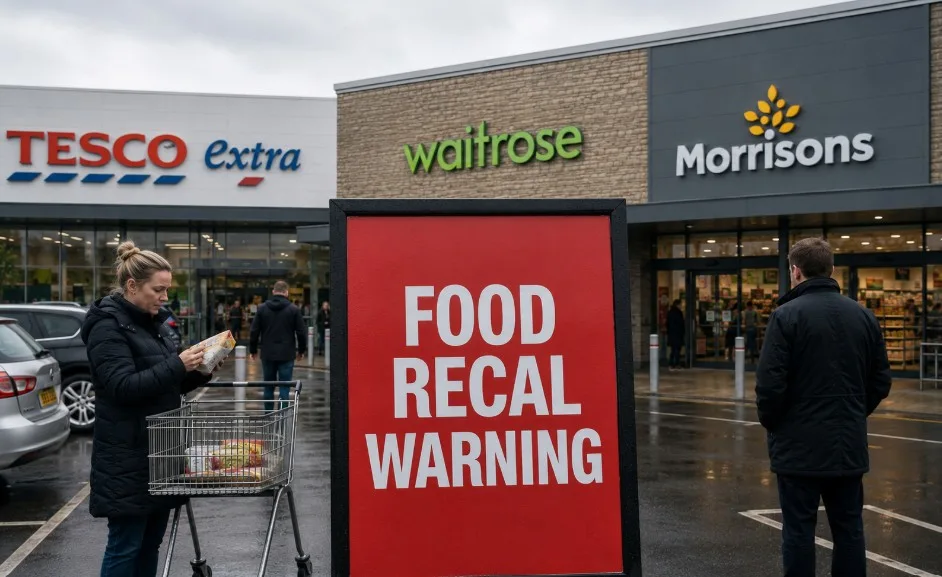
Recent Tesco, Waitrose and Morrisons recall food warnings have prompted shoppers across the UK to check their cupboards, fridges and freezers for affected products.
The recalls follow Food Standards Agency (FSA) safety alerts relating to undeclared allergens and possible contamination risks that could pose health concerns for consumers.
While food recalls can sound alarming, they are a routine part of the UK’s food safety system designed to protect the public when potential issues are identified.
Key points consumers should know:
- Several products sold by Tesco, Waitrose and Morrisons have been recalled.
- The main risks involve undeclared allergens and possible glass contamination.
- Customers are advised not to consume affected products.
- Most recalled products can be returned for a full refund.
- The Food Standards Agency is monitoring and overseeing the recall process.
Understanding what has happened and what action to take can help consumers respond appropriately and stay informed about food safety alerts.
Why Are Tesco, Waitrose and Morrisons Recall Food Warnings Being Issued?
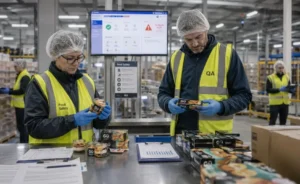
Food recall warnings are issued whenever a product presents a potential risk to consumer health or safety. In the latest cases affecting Tesco, Waitrose and Morrisons, the concerns involve both allergen labelling errors and the possible presence of foreign materials within food products.
Undeclared allergens remain one of the most common reasons for food recalls in the UK. When ingredients such as nuts, fish or soya are not correctly listed on packaging, consumers with allergies can face serious health risks. Physical contamination, such as glass fragments, is another significant concern because it can cause injury if consumed.
“Food recalls are an essential safeguard within the UK’s food supply chain, ensuring potentially unsafe products are quickly removed from circulation before widespread harm can occur,” said a Food Safety Compliance Officer.
The recalls demonstrate how retailers, manufacturers and regulators work together to identify issues and take precautionary action when necessary.
While the affected products represent only a small fraction of supermarket stock, prompt action helps maintain consumer confidence and public safety.
Which Tesco, Waitrose and Morrisons Food Products Are Currently Affected?
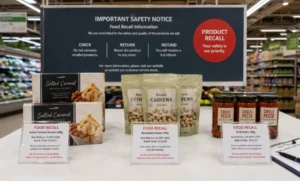
The current recalls involve different products and different risk factors. Some products have been recalled because of allergen concerns, while others have been withdrawn due to potential contamination.
Current Recall Summary:
| Product | Supermarket | Reason for Recall | Consumer Action |
| Gü Frozen Double Sea Salted Caramel Dessert | Tesco & Waitrose | Undeclared hazelnuts and soya | Return for refund |
| Morrisons Savers Salted Cashews | Morrisons | Possible glass contamination | Return for refund |
| Filippo Berio Hot Chilli Pesto | Morrisons | Undeclared fish | Return for refund |
This summary provides a quick overview of the main products currently affected by the latest recall notices.
Tesco and Waitrose – Gü Frozen Double Sea Salted Caramel Dessert Recall
Tesco and Waitrose customers have been advised not to consume specific batches of Gü Frozen Double Sea Salted Caramel Dessert after the discovery of undeclared hazelnuts and soya.
The affected product carries lot number 126135 with a best-before date of 30 June 2027. Although the issue is believed to affect only a limited number of units, the manufacturer initiated a precautionary recall to protect consumers who may suffer from nut or soya allergies.
For allergy sufferers, consuming products containing undeclared ingredients can trigger severe reactions, making accurate labelling critical within the food industry.
Morrisons – Savers Salted Cashews Recall
Morrisons has recalled selected batches of its Savers Salted Cashews 125g due to the potential presence of glass fragments.
The affected best-before dates are:
| Product | Pack Size | Best Before Dates |
| Morrisons Savers Salted Cashews | 125g | 09/08/2026, 06/09/2026, 26/09/2026, 28/09/2026, 09/10/2026 |
Customers across England, Scotland and Wales have been advised not to consume the product and to return it to their nearest Morrisons store for a refund. Morrisons has confirmed that no receipt is required.
Glass contamination is treated particularly seriously because it presents both choking and injury risks.
Morrisons – Filippo Berio Hot Chilli Pesto Recall
Another recall affecting Morrisons shoppers involves Filippo Berio Hot Chilli Pesto 190g. The issue stems from incorrect labelling, resulting in fish not being declared properly on the packaging. The affected product has a best-before date of 15 May 2028.
Consumers with fish allergies are advised not to consume the product and to return it for a full refund. The recall highlights the importance of robust allergen controls throughout the food production process.
Are These Supermarket Food Recalls Connected?
Although multiple recalls have been announced around the same period, there is currently no indication that the incidents are directly connected.
Each recall involves separate products, suppliers and safety concerns. The Gü dessert recall relates to allergen labelling, while the Morrisons cashew recall concerns possible contamination with glass. Similarly, the Filippo Berio recall stems from packaging and labelling errors.
Comparison of Recall Causes
| Product | Recall Type | Primary Risk |
| Gü Dessert | Allergen Labelling Error | Allergic Reaction |
| Savers Cashews | Physical Contamination | Injury Risk |
| Hot Chilli Pesto | Allergen Labelling Error | Allergic Reaction |
These examples illustrate that recalls can arise from a variety of issues rather than a single widespread food safety problem affecting the supermarkets involved.
What Should Shoppers Do If They Bought a Recalled Food Product?
Consumers who discover they have purchased an affected item should act promptly. The first step is to stop consuming the product immediately and carefully check whether the batch code, lot number or best-before date matches the recall notice.
Consumer Action Checklist
- Stop eating or using the product.
- Check batch codes and best-before dates.
- Follow retailer recall instructions.
- Return the product to the store.
- Request a refund where applicable.
- Seek medical advice if symptoms occur.
If the product has already been consumed and an allergic reaction or health concern develops, professional medical advice should be sought immediately.
Most supermarkets simplify the process by offering refunds without requiring proof of purchase, helping customers respond quickly to recall notices. Following the official guidance remains the safest approach for affected consumers.
What Is the Difference Between a Food Recall and a Food Withdrawal?
Many shoppers use the terms interchangeably, but there is an important distinction between a food recall and a food withdrawal.
A withdrawal occurs when a product is removed from sale before consumers have purchased it. This action typically takes place when a problem is identified early in the supply chain.
A recall, on the other hand, is issued when products have already reached consumers and customers must be informed not to consume or use them.
“A product withdrawal protects consumers before purchase, while a recall focuses on removing products already in homes and businesses,” explained a UK Food Regulation Specialist.
The FSA uses Product Withdrawal Information Notices and Product Recall Information Notices to communicate these actions and ensure consistent consumer guidance across the country.
How Does the Food Standards Agency Handle UK Food Recall Alerts?
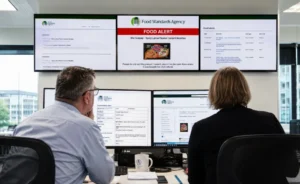
The Food Standards Agency plays a central role in coordinating food safety alerts throughout the UK. When a risk is identified, the FSA works closely with manufacturers, retailers and local authorities to ensure consumers receive accurate information.
The agency publishes several types of notices depending on the nature of the issue.
Key FSA Alert Types:
| Alert Type | Purpose |
| Product Recall Information Notice | Advises consumers to return products |
| Product Withdrawal Information Notice | Removes products from sale |
| Allergy Alert | Highlights undeclared allergens |
| Food Alert for Action | Directs local authority action |
Retailers are typically required to display point-of-sale notices in stores and publish recall information on their websites. This multi-channel approach helps ensure consumers become aware of potential risks as quickly as possible.
The FSA’s structured process is designed to minimise public health risks while maintaining transparency throughout the recall process.
How Can Shoppers Stay Updated on Tesco, Waitrose and Morrisons Food Recalls?
Staying informed about food safety alerts has become easier thanks to digital communication channels and retailer notification systems.
Consumers can regularly monitor official recall pages published by Tesco, Morrisons and Waitrose, while the Food Standards Agency also maintains a dedicated section covering active food alerts and product recalls.
Many supermarkets now use customer loyalty platforms and digital accounts to communicate safety updates directly to shoppers. As technology and supply-chain monitoring improve, retailers are becoming increasingly effective at identifying affected customers and delivering targeted notifications.
“Modern traceability systems allow retailers to communicate food safety alerts more efficiently than ever before, helping consumers take action sooner,” noted a Retail Supply Chain Analyst.
Checking official sources periodically is one of the most effective ways for shoppers to stay informed about emerging food safety issues.
What Does This Recall Wave Say About UK Supermarket Food Safety in 2026?
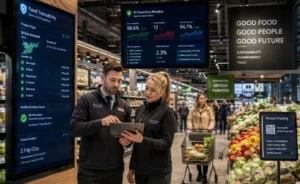
The latest recalls highlight both the challenges and strengths of modern food supply chains. While incidents involving allergens and contamination can occur, the rapid identification and removal of affected products demonstrates the effectiveness of current food safety systems.
Large retailers now rely heavily on sophisticated monitoring, supplier audits, traceability tools and quality control procedures. Many supermarkets also use data-driven systems to improve inventory management and respond more quickly when safety concerns emerge.
Rather than indicating widespread failure, many recalls reflect proactive detection and transparency. Consumers benefit when retailers identify potential risks early and communicate openly about corrective action.
The events also reinforce the importance of accurate food labelling, rigorous manufacturing controls and continuous monitoring across increasingly complex supply networks.
Conclusion
Recent food recalls affecting Tesco, Waitrose, and Morrisons highlight why keeping up with food safety alerts is important.
The affected products include Gü Frozen Double Sea Salted Caramel Desserts, Morrisons Savers Salted Cashews, and Filippo Berio Hot Chilli Pesto, with concerns ranging from allergen risks to possible contamination.
Consumers should carefully check product information, avoid using recalled items, and follow supermarket guidance on refunds or returns.
Staying updated with retailer announcements and official food safety notices can help households reduce avoidable health risks.
Frequently Asked Questions
Can recalled food products still be returned if they have been opened?
Yes. In most cases, retailers accept recalled products even if they have been opened because the primary objective is consumer safety rather than product condition.
How often does the Food Standards Agency issue product recall notices?
The frequency varies throughout the year depending on food safety incidents. The FSA publishes notices whenever a significant risk is identified.
What is the difference between a batch code and a best-before date?
A batch code identifies a specific production run, while a best-before date indicates the period during which the product is expected to maintain its quality.
Are food recalls more common for allergen issues or contamination issues?
Undeclared allergens are among the most common causes of food recalls in the UK, although contamination-related recalls also occur regularly.
Can businesses face penalties for selling recalled food products?
Businesses that knowingly continue selling recalled products may face regulatory action depending on the circumstances and applicable food safety laws.
How can consumers receive food recall alerts automatically?
Consumers can subscribe to FSA updates, retailer email alerts and supermarket app notifications to receive recall information directly.
What information should shoppers keep when reporting a suspected food safety issue?
It is helpful to retain packaging, batch numbers, receipts where available and any photographs that may assist retailers or authorities with investigations.

Jennifer contributes business-focused articles covering modern business trends, digital growth, entrepreneurship, and practical insights designed to support startups and SMEs.
Morrisons Plans to Close Company Owned Stores Across the United Kingdom
The UK retail sector continues to face significant challenges, and Morrisons has become the latest major supermarket chain to announce a series of store closures. The company has…

How Much Does It Cost to Add Business Use to Car Insurance in the UK?
In the UK, adding business use to a car insurance policy is often more affordable than many drivers expect. Some insurers only charge a small amendment fee of…
Insights for the Modern
UK Small Business.
Join 15,000+ owners receiving tactical analysis on finance, marketing, and technology. No clutter.
Zero spam. Unsubscribe in one click.