Iceland Responds to April Price Inflation Reports With New Summer Savings Drive


Iceland has responded to reports showing that its supermarket price inflation reached 5.8% in April by launching a major summer savings drive across its UK stores.
The retailer has challenged the findings, arguing that the data does not fully reflect its pricing strategy and promotional activity.
To support customers facing ongoing cost-of-living pressures, Iceland has introduced discounts on more than 200 products, focusing on frozen food and everyday essentials.
Key Takeaways:
- Iceland recorded a reported grocery inflation rate of 5.8% in April.
- The figure was higher than the UK grocery sector average of 3.8%.
- Iceland disputes the methodology used to calculate the inflation data.
- Lord Walker stated that promotional factors may have distorted comparisons.
- The retailer launched a summer savings campaign from June 2.
- More than 200 products have received discounts and promotional offers.
- Iceland says its May inflation rate fell to 2.6%, below the wider market rate.
- The company continues to position itself as a value-focused supermarket for UK families.
Why Has Iceland Supermarket Price Inflation in April Drawn Attention?
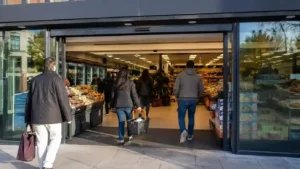
Recent Worldpanel data revealed that Iceland recorded a grocery inflation rate of 5.8% during the four weeks ending April 19.
This figure attracted attention because it exceeded both the wider grocery market average and the official food inflation rate reported during the same period.
According to the data, the average inflation rate across UK supermarkets stood at 3.8%, while the Office for National Statistics (ONS) reported food and drink inflation of 3%.
How Iceland Compared With Other UK Supermarkets?
The figures positioned Iceland among the retailers experiencing the fastest price increases during April.
While food inflation has affected the entire grocery sector, Iceland’s reported rate stood noticeably above the market average.
April Inflation Comparison
| Inflation Measure | Rate |
| Iceland Grocery Inflation | 5.8% |
| UK Grocery Sector Average | 3.8% |
| ONS Food & Drink Inflation | 3.0% |
The gap between Iceland’s reported inflation rate and the broader market average prompted discussion among industry analysts and consumers alike.
What the April Inflation Figures Mean for Consumers?
For shoppers, higher grocery inflation often translates into increased pressure on household budgets.
Rising food costs can affect spending decisions, particularly for families that rely on supermarkets for everyday essentials and frozen food products.
Some potential consumer concerns include:
- Higher weekly grocery bills.
- Reduced purchasing power.
- Greater demand for promotional offers.
- Increased comparison shopping between retailers.
As inflation remains a key issue for UK households, any supermarket reporting above-average price increases is likely to attract public and media attention.
How Did Iceland Respond to the Price Inflation Reports?
Iceland was quick to challenge the conclusions drawn from the April data. Lord Walker of Broxton, chairman of Iceland Foods, argued that the methodology behind the findings failed to provide a complete picture of the retailer’s pricing strategy.
According to Lord Walker, the analysis was based on a limited panel survey and reflected only a specific period during April.
He suggested that comparisons may have been distorted by promotional activity that took place during the previous year.
The chairman stated that Iceland had particular lamb promotions in place during the comparison period last year, which could have affected the inflation calculations.
He also noted that the analysis did not fully account for new products and promotional offers introduced by the retailer throughout the year.
Iceland maintains that it continuously reviews its pricing and invests in areas where customers need support the most. The company argues that many of its products remain competitively priced compared with rival supermarkets.
A retail pricing consultant described the situation this way:
“I regularly analyse supermarket pricing data, and short-term inflation snapshots do not always reflect the full picture. Promotional cycles, seasonal offers and product range changes can all influence inflation measurements. In my experience, retailers often assess pricing performance over a much longer timeframe than a single reporting period.”
This perspective highlights why inflation figures can sometimes become the subject of debate between retailers and industry researchers.
What Is Included in Iceland’s New Summer Savings Drive?

In response to ongoing concerns about food affordability, Iceland has launched a substantial summer savings campaign across its stores.
The initiative involves discounts and promotions on more than 200 products, with the changes taking effect from June 2.
The retailer says the programme is designed to help families manage their food budgets while continuing to access a wide range of frozen and grocery products.
Key Areas Targeted by the Price Reductions
The savings campaign focuses on products that are frequently purchased by households throughout the year.
Main Categories Included in the Savings Drive
| Product Category | Focus of Discounts |
| Frozen Food | Family meals, vegetables, ready meals |
| Everyday Essentials | Common household grocery items |
| Value Range Products | Budget-friendly options |
| Selected Branded Goods | Promotional savings |
The retailer hopes that targeting these categories will provide meaningful support for customers who are actively seeking better value.
How Does the Savings Drive Support Household Budgets?
The savings initiative arrives at a time when many families remain cautious about spending.
Discounts can help shoppers:
- Reduce weekly grocery costs.
- Stretch household budgets further.
- Access promotional prices on popular products.
- Manage ongoing inflationary pressures.
A consumer finance adviser commented:
“I often speak with households trying to balance rising costs across multiple areas of spending. When supermarkets expand discount programmes on everyday products, it can make a noticeable difference to families who are monitoring every pound they spend each week.”
The retailer believes these measures demonstrate its ongoing commitment to supporting customers during challenging economic conditions.
Potential Consumer Benefits of the Savings Campaign
| Benefit | Impact on Shoppers |
| Lower Product Prices | Reduced grocery spending |
| More Promotional Offers | Increased savings opportunities |
| Wider Value Range | Greater affordability |
| Frozen Food Discounts | Cost-effective meal planning |
Does More Recent Data Show a Different Inflation Trend for Iceland?
While the April figures generated headlines, Iceland has pointed to more recent data that presents a different picture.
The retailer highlighted Worldpanel figures for May, which reportedly showed its grocery inflation rate falling to 2.6%.
This rate was lower than the broader market average during the same period, suggesting that pricing trends may have changed significantly following April.
Inflation Trend Comparison
| Period | Inflation Rate |
| April 2025 | 5.8% |
| May 2025 | 2.6% |
| Change | -3.2 Percentage Points |
The decline suggests that inflation performance can fluctuate considerably from month to month, depending on promotional activity, product mix, supplier costs and seasonal factors.
For consumers, the latest figures may provide reassurance that prices are moving in a more favourable direction.
However, inflation remains an important issue across the grocery sector, meaning shoppers are likely to continue seeking competitive prices and promotional offers.
What Has Lord Walker Said About Food Prices and Consumer Protection?

Lord Walker’s comments on the inflation reports have attracted additional interest due to his broader role in discussions surrounding the cost of living.
As chairman of Iceland Foods, he has frequently spoken about the challenges facing households during periods of economic pressure.
He has also previously urged businesses to avoid passing unnecessary costs on to consumers. In particular, he has publicly criticised situations where retailers or suppliers may appear to benefit from rising prices at the expense of households.
Following the publication of the April inflation figures, Lord Walker reiterated Iceland’s commitment to maintaining value for customers.
He stated that families remain under significant financial pressure and that the retailer is therefore investing additional resources into lower prices, promotional offers and value-focused products.
His comments form part of Iceland’s wider message that affordability remains central to its long-term business strategy.
How Is Iceland Positioning Itself as a Value-Focused Supermarket?
Value has long been a core element of Iceland’s brand identity.
The supermarket has built much of its reputation around offering affordable frozen food products, family meal solutions and accessible grocery options.
In response to the recent inflation reports, the company emphasised that its internal pricing data continues to show strong competitiveness in the categories most important to customers.
Several factors support Iceland’s value-focused positioning:
- Continued investment in promotional pricing.
- Expansion of discount programmes.
- Focus on frozen food affordability.
- Support for budget-conscious households.
The company believes these efforts help distinguish it within a highly competitive grocery market where shoppers are increasingly focused on value.
By expanding its summer savings campaign, Iceland aims to reinforce customer confidence while responding to concerns raised by the April inflation figures.
What Could This Mean for UK Grocery Shoppers in the Months Ahead?

The developments surrounding Iceland highlight a broader trend across the UK grocery industry.
Consumers remain highly sensitive to food prices, and supermarkets continue to compete aggressively on value, promotions and discounts.
Several factors are likely to influence grocery pricing in the coming months:
- Global supply chain conditions.
- Energy costs.
- Agricultural production costs.
- Consumer demand patterns.
- Retail competition.
The increased focus on promotions could create additional opportunities for shoppers to reduce grocery spending.
As supermarkets seek to attract customers, many retailers may continue introducing targeted discounts and seasonal savings campaigns.
For consumers, comparing prices across different retailers and taking advantage of promotional offers may remain an effective strategy for managing household budgets.
Conclusion
The debate surrounding Iceland supermarket price inflation in April demonstrates how closely consumers and industry analysts monitor grocery pricing trends.
The reported inflation rate of 5.8% placed Iceland above both the industry average and the official food inflation rate, generating significant attention. However, the retailer has disputed the findings, arguing that the methodology did not accurately reflect its broader pricing strategy.
In response, Iceland has introduced a major summer savings drive featuring discounts on more than 200 products across its stores. The company believes these measures will provide meaningful support for households facing ongoing financial pressures.
More recent data indicating a drop in inflation to 2.6% during May may also help strengthen Iceland’s position as a value-focused retailer. While inflation remains an important issue across the grocery sector, the supermarket’s latest initiatives suggest it is actively working to maintain affordability for UK shoppers.
As consumers continue searching for ways to manage rising living costs, pricing strategies, promotions and value-driven offers are likely to remain key factors influencing where households choose to shop.
FAQs
Why did Iceland’s inflation rate appear higher than the industry average?
The April figures indicated that Iceland’s grocery inflation rate reached 5.8%, compared with the industry average of 3.8%. Iceland argues that specific promotional factors and comparison periods influenced the results.
What products are included in Iceland’s summer savings campaign?
The campaign covers more than 200 products, including frozen food items, family meal options, everyday essentials and selected branded products.
How many products have received price reductions at Iceland?
Iceland has announced discounts and promotional offers on over 200 products as part of its summer savings initiative.
What did Lord Walker say about the inflation figures?
Lord Walker criticised the methodology behind the analysis and stated that it did not accurately reflect Iceland’s broader pricing strategy or promotional activity.
How does Iceland’s May inflation rate compare with the wider market?
According to Iceland, May data showed its inflation rate had fallen to 2.6%, placing it below the broader market average.
Are Iceland’s new discounts available across all stores?
The retailer has announced the savings drive across its network of approximately 1,000 stores, although individual product availability may vary.
How can shoppers maximise savings at Iceland this summer?
Customers can maximise savings by monitoring promotions, comparing prices, taking advantage of discounted products and planning purchases around seasonal offers.

Jennifer contributes business-focused articles covering modern business trends, digital growth, entrepreneurship, and practical insights designed to support startups and SMEs.

Andy Burnham Land Tax: Impact on House Prices and Taxes
Andy Burnham's land tax proposal centres on replacing or reforming parts of the UK's current property tax system through a land value or proportional property tax. While no…

Victoria Derbyshire Faced a Workplace Conduct Investigation at the BBC
Victoria Derbyshire, a well-known BBC journalist and Newsnight presenter, reportedly faced a workplace conduct investigation after concerns were raised by colleagues about her communication style and workplace interactions.…
Insights for the Modern
UK Small Business.
Join 15,000+ owners receiving tactical analysis on finance, marketing, and technology. No clutter.
Zero spam. Unsubscribe in one click.