Millennium Dough Company Administration as Debt Hits £1.5m

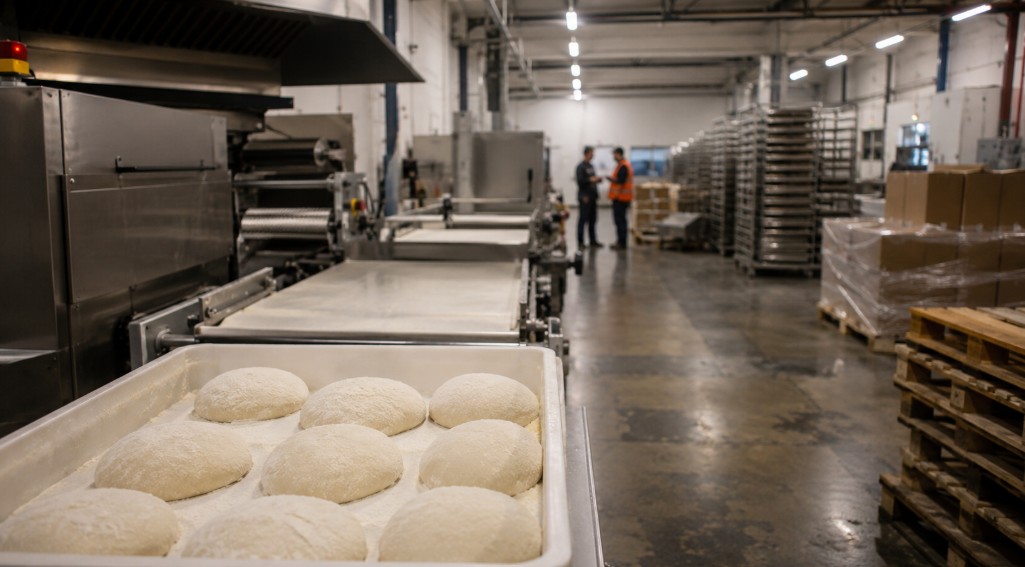
Millennium Dough Company administration marks the collapse of a long-established UK pizza dough supplier that entered administration on 8 June 2026 after building up approximately £1.5 million in creditor debt. Despite reporting turnover of around £1.7 million in its latest available accounts, the business was unable to overcome mounting financial pressures, resulting in the appointment of joint administrators from Quantuma Advisory Limited.
Who Is Millennium Dough Company?

Millennium Dough Company was founded in 1992 and became a recognised supplier of artisan frozen pizza dough to restaurants, hotels, catering businesses, and food-service operators across the UK.
Operating from Greenford in West London for many years, the business built a reputation around traditional dough-making techniques, long fermentation processes, and customised product development for commercial customers.
The company previously traded as Millennium Food Services Limited before adopting the Millennium Dough Company name in 2022. Corporate records show the business has operated in the food manufacturing sector for more than three decades.
Its products were primarily aimed at hospitality businesses seeking premium-quality pizza dough rather than mass-market retail consumers.
This positioning helped establish a loyal customer base and positive industry reputation throughout much of its operating history.
Why Did Millennium Dough Company Enter Administration?
Millennium Dough Company entered administration after facing significant financial pressure, with reports indicating creditor debt of approximately £1.5 million despite turnover of around £1.7 million.
The collapse highlights the challenges currently facing many UK food manufacturers, particularly those serving the hospitality sector.
Industry observers have pointed to rising operating costs, inflation, energy expenses and supply-chain pressures as key factors affecting businesses across the sector.
A source close to the situation said:
“The business had been facing increasing financial pressure for some time, and administration became the most viable option available.”
The administration process is now being overseen by insolvency specialists who will assess whether the business can be restructured, sold, or wound down.
How Much Debt Did Millennium Dough Company Owe?

Millennium Dough Company entered administration after facing significant financial pressure, with reports indicating creditor debt of approximately £1.5 million despite generating turnover of around £1.7 million.
The debt position attracted particular attention because it represented a substantial increase from approximately £751,052 reported during the previous comparable period. The sharp rise in liabilities suggests financial pressures accelerated considerably in the months leading up to the administration process.
The collapse also reflects wider challenges currently affecting many UK food manufacturers, particularly businesses supplying the hospitality sector. Rising operating costs, inflation, energy expenses, labour pressures and ongoing supply-chain challenges have created difficult trading conditions across the industry.
A source familiar with the sector said:
“Food manufacturers have been operating in an increasingly difficult environment, with many businesses struggling to absorb higher costs while remaining competitive.”
The company had traded for more than three decades and built a reputation as a specialist supplier of artisan frozen pizza dough. However, long-established businesses are not immune to changing market conditions and financial pressures.
A source close to the situation said:
“The business had been facing increasing financial pressure for some time, and administration became the most viable option available.”
The reported debt level has raised concerns among suppliers, customers and industry stakeholders, many of whom will now be monitoring developments closely.
One hospitality industry observer said:
“When a supplier with a long trading history enters administration, it creates uncertainty across the wider supply chain.”
Financial reports indicate that the company’s debt burden continued to grow even while trading remained active. Industry experts note that strong turnover figures do not always translate into healthy cash flow, particularly when operating costs rise rapidly.
A restructuring specialist commented:
“Revenue alone does not tell the full story. Businesses can continue generating sales while facing significant financial pressure behind the scenes.”
The reported financial position can be summarised below:
| Financial Indicator | Reported Figure |
| Company Founded | 1992 |
| Administration Date | 8 June 2026 |
| Reported Turnover | £1.7 million |
| Creditor Debt | £1.5 million |
| Previous Creditor Debt | £751,052 |
| Years Trading | 34 Years |
The scale of the debt has drawn attention because of how quickly liabilities increased compared with previous reporting periods.
One industry commentator said:
“The scale of the debt demonstrates how quickly financial pressures can escalate, even for established businesses with long trading histories.”
The administration process is now being overseen by insolvency specialists who will assess whether the business can be restructured, sold, or otherwise managed to achieve the best possible outcome for creditors.
A business recovery adviser said:
“Administration provides an opportunity to evaluate all available options before determining the company’s long-term future.”
The process will also determine how much of the outstanding debt can ultimately be recovered and whether any part of the business can continue operating under a revised structure.
What Challenges Are Affecting UK Food Suppliers and Manufacturers?

Millennium Dough Company’s situation reflects broader issues affecting many food-related businesses throughout the UK.
Manufacturers and suppliers continue to navigate a difficult operating environment where costs have risen across multiple areas simultaneously.
Key challenges include:
- Higher utility and energy bills
- Inflation affecting raw materials
- Increased wage costs
- Logistics and transportation expenses
- Reduced discretionary spending by consumers
- Competitive pricing pressures
Several businesses within hospitality, catering, retail, and food production have entered insolvency procedures during recent years.
The pressure is especially severe for companies operating on relatively tight margins where even modest cost increases can significantly affect profitability.
As a result, many food suppliers have been forced to restructure operations, reduce staffing levels, renegotiate supplier contracts, or seek additional investment.
What Happens During the UK Administration Process?
Once a company enters administration, licensed insolvency practitioners take control of the business.
Their primary objectives usually include:
- Rescuing the company as a going concern
- Achieving a better result for creditors than liquidation
- Realising assets for creditor repayment
Following their appointment, Nicholas Charles Simmonds and Chris Newell became responsible for overseeing Millennium Dough Company’s affairs.
The administration process also creates a statutory moratorium. This temporarily prevents most creditors from taking legal enforcement action while restructuring options are explored.
Reports indicate the joint administrators must prepare proposals outlining potential next steps for creditors within the required timeframe.
Possible outcomes include a sale of the business, operational restructuring, refinancing arrangements, or eventual closure if recovery proves impossible.
Administration generally lasts up to twelve months unless an extension is approved.
How Could Millennium Dough Company Administration Affect Employees, Customers, and Suppliers?

The administration creates uncertainty for everyone connected to the business. Employees may naturally be concerned about job security and future operations. While administration does not automatically mean redundancies, workforce changes can occur depending on the administrators’ strategy.
Customers may wonder whether existing contracts, deliveries, or supply arrangements will continue. In many administrations, trading continues temporarily while options are assessed.
Suppliers are often among the most affected stakeholders because unpaid invoices become part of the insolvency process. Creditors must typically submit claims and await guidance from administrators regarding possible recoveries.
For hospitality businesses relying on specialist dough products, any disruption may require alternative sourcing arrangements until the company’s future becomes clearer.
Confirmed Facts, Proposed Developments, and Misinformation Explained
Confirmed Facts
Several details surrounding Millennium Dough Company administration have been publicly confirmed. The company entered administration on 8 June 2026.
Nicholas Charles Simmonds and Chris Newell of Quantuma Advisory Limited were appointed joint administrators. Reported creditor debt stood at approximately £1.5 million. The business had operated since 1992 and supplied artisan frozen pizza dough to commercial customers.
Proposed or Ongoing Developments
The administrators are expected to assess multiple options.
These may include:
- Sale of the business
- Financial restructuring
- Continued trading under administration
- Asset realisation
- Potential investor involvement
At the time of writing, no final outcome has been announced.
Misinformation and Unverified Claims
Some online discussions have incorrectly assumed administration automatically means permanent closure. That is not accurate. Administration is designed to provide breathing space while recovery options are evaluated.
Similarly, there has been no official confirmation regarding large-scale redundancies or the complete cessation of trading. Readers should rely on verified statements from administrators and official filings rather than speculation circulating online.
Could Millennium Dough Company Recover After Administration?
Recovery remains possible, although it cannot be guaranteed. UK insolvency history contains numerous examples of businesses entering administration before later emerging through restructuring or acquisition.
The outcome depends on factors including:
- Cash-flow position
- Asset value
- Customer demand
- Investor interest
- Creditor support
- Operational viability
If administrators identify a sustainable path forward, parts of the business could potentially survive. Equally, if liabilities outweigh available options, closure or asset sales may ultimately occur. The administration process exists specifically to evaluate these possibilities before final decisions are made.
What Does the Millennium Dough Company Administration Case Mean for the UK Food Industry?

The Millennium Dough Company administration highlights how even established businesses can encounter serious financial difficulties despite decades of trading experience.
For food manufacturers, the case demonstrates the importance of managing debt levels, maintaining cash-flow resilience, and adapting quickly to changing market conditions.
The situation also reflects continuing challenges facing hospitality suppliers across Britain.
Companies serving restaurants, hotels, and catering operators often experience indirect impacts when customers themselves face financial pressure.
The coming months will therefore be watched closely by industry observers seeking insight into both the future of Millennium Dough Company and broader trends within the UK food manufacturing sector.
Conclusion
Millennium Dough Company administration represents a significant development within the UK food manufacturing industry. After 34 years of operation, the artisan pizza dough supplier entered administration with approximately £1.5 million owed to creditors.
While the appointment of administrators confirms serious financial difficulties, it does not automatically mean the business has reached its final chapter.
The administration process will now determine whether restructuring, a sale, or another solution can deliver the best outcome for creditors and stakeholders.
FAQs
Is Millennium Dough Company permanently closed?
No. Administration does not automatically mean permanent closure. The future of the business remains under review.
Who are the administrators handling the case?
Nicholas Charles Simmonds and Chris Newell of Quantuma Advisory Limited were appointed as joint administrators.
What is the difference between administration and liquidation?
Administration aims to rescue or restructure a business, while liquidation focuses on winding up operations and selling assets.
Can suppliers recover money owed by a company in administration?
Potentially. Recoveries depend on available assets and creditor rankings within the insolvency process.
Are employees automatically made redundant during administration?
No. Employment decisions depend on the administrators’ plans and the company’s ongoing trading position.
How long can a company remain in administration?
Administration generally lasts up to twelve months, although extensions may be approved.
What does this case reveal about challenges facing UK food manufacturers?
It highlights the impact of rising costs, inflation, cash-flow pressures, and competitive market conditions.
Can customers still receive orders from a company in administration?
Sometimes. Businesses may continue trading during administration while restructuring options are assessed.

Jennifer contributes business-focused articles covering modern business trends, digital growth, entrepreneurship, and practical insights designed to support startups and SMEs.
LPPC Environmental Ltd Administration: Pest Firm Set to Close
LPPC Environmental Ltd, trading as Pest Control Aberdeenshire, has entered administration and is expected to close after just three years in business. The company, known for its environmentally…
Quiz Fashion Chain Falls Into Administration Again
Quiz has entered administration for the second time in less than 12 months and will close its remaining 37 standalone UK stores by the end of June 2026.…
Insights for the Modern
UK Small Business.
Join 15,000+ owners receiving tactical analysis on finance, marketing, and technology. No clutter.
Zero spam. Unsubscribe in one click.