Andy Burnham State Pension Policy Sparks Triple Lock Debate


Andy Burnham’s state pension policy centres on keeping the State Pension Triple Lock, protecting pensioners from losing income to inflation, and reviewing the growing impact of frozen tax thresholds that are pulling more retirees into paying income tax.
He has argued that abandoning the Triple Lock would damage public trust and has indicated that the issue of fiscal drag affecting pensioners deserves further attention.
While some aspects of his wider pension agenda remain under discussion, his support for maintaining the Triple Lock is one of the clearest positions he has outlined.
What Is Andy Burnham’s State Pension Policy?
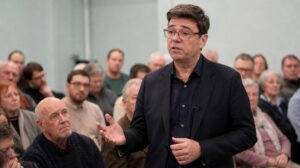
The Andy Burnham state pension policy has become a major talking point in UK politics because it combines two issues that directly affect millions of retirees: annual pension increases and taxation.
At the centre of his position is a commitment to keep the State Pension Triple Lock.
This mechanism ensures that the State Pension rises each year by whichever is highest:
- Inflation
- Average earnings growth
- 2.5%
Burnham has signalled that removing this guarantee would undermine confidence in political promises and could leave pensioners exposed during periods of rising living costs.
The policy discussion emerged as Burnham continued outlining what he would prioritise if he eventually entered national leadership. Pension protection has become one of the most closely watched parts of that agenda.
Why Is the Triple Lock Such a Big Political Issue?
The Triple Lock remains one of the most significant protections available to UK pensioners. Supporters argue it helps retirees maintain their spending power, especially during periods of high inflation. Critics argue that it creates long-term pressure on public finances because pension spending can rise faster than government revenues.
The debate intensified after some political figures suggested the policy should be reconsidered to release funding for other priorities, including defence spending and support for younger generations. Burnham has taken a different approach.
According to reports, he believes removing the commitment would be politically and economically risky because many pensioners rely heavily on State Pension income. Recent reporting also indicates he views maintaining trust in manifesto commitments as essential at a time when confidence in politics remains fragile.
How Could This Policy Affect Pensioners?
For many retirees, the practical impact is straightforward. If the Triple Lock remains in place, pension increases would continue to be linked to whichever measure produces the highest rise each year.
Potential benefits include:
- Greater protection from inflation
- More predictable retirement income
- Reduced risk of pension value falling behind living costs
- Increased financial stability for lower-income pensioners
For pensioners who rely heavily on State Pension payments rather than private pensions, these protections can make a substantial difference to household budgets.
The policy is particularly relevant during periods when food, housing and energy costs remain elevated.
Why Is Fiscal Drag Becoming a Growing Concern for Pensioners?

One of the most discussed elements of the Andy Burnham state pension policy is his concern about fiscal drag. Fiscal drag occurs when tax thresholds remain frozen while incomes rise. As pensions increase, more retirees can find themselves paying income tax even though tax rates themselves have not changed.
This issue has gained attention because Triple Lock increases can push pension income closer to taxable thresholds. Burnham has suggested this trend requires further examination.
Reports indicate he believes policymakers should look at the growing number of pensioners being drawn into taxation because of frozen thresholds rather than deliberate tax increases.
For many retirees, the concern is simple: receiving a larger pension increase may not feel like a full benefit if a greater portion becomes taxable.
Why Is Andy Burnham’s State Pension Policy Sparking Debate?
The debate surrounding pension policy is not just about retirees. Some economists and politicians argue resources should be redirected toward younger workers, housing programmes, infrastructure projects or defence spending.
Others argue pensioners have already faced years of uncertainty and should not be asked to absorb additional financial pressure. This disagreement explains why the Triple Lock continues to generate intense discussion.
Recent commentary has shown strong opinions on both sides. While supporters see the policy as essential protection, critics argue that long-term sustainability must also be considered.
Confirmed Facts vs Proposed Ideas
The pension debate often creates confusion because confirmed positions and proposed ideas become mixed together.
| Confirmed Position | Current Status |
| Support for maintaining the Triple Lock | Confirmed |
| Concern about fiscal drag affecting pensioners | Confirmed |
| Reviewing pension taxation pressures | Discussed |
| Specific pension tax cut details | Not yet confirmed |
| Major State Pension restructuring | Not confirmed |
| Triple Lock abolition | Opposed |
This distinction is important because public discussions frequently move faster than formal policy announcements.
What About Pension Tax Cuts?

Some reports have suggested Burnham wants pensioners to receive tax relief alongside continued Triple Lock protection. However, the exact structure of any future tax changes remains unclear.
What appears more certain is his concern about pensioners being gradually pulled into income tax because thresholds have remained frozen for years.
That does not automatically mean a specific tax cut has been designed or approved. For readers following pension developments, this difference matters. A discussion about taxation is not the same thing as a fully costed tax policy.
Real-Life Example
Consider a retired couple living primarily on State Pension income. If annual pension payments rise because of the Triple Lock, their household receives additional income to help cover increasing costs.
However, if tax thresholds remain frozen while pension income rises, part of that increase could become taxable.
In practice, the couple may see:
- A larger pension payment
- A higher taxable income
- Reduced benefit from the increase
This example illustrates why fiscal drag has become a central part of the conversation. The issue is not whether pensions are increasing. The issue is how much of that increase pensioners ultimately keep.
Related Pension Issues Being Discussed
The State Pension debate has also become connected with wider retirement issues. One notable example involves women affected by historic State Pension age changes.
Burnham has publicly expressed support for concerns raised by campaigners while discussions continue about what forms of support might be realistic and affordable.
At the same time, broader debates continue around social care funding, retirement security and the long-term sustainability of pension spending.
These issues often overlap because many retirees depend on several forms of support rather than the State Pension alone.
Key Statements Shaping the Debate
Several public comments have helped define the current discussion. Andy Burnham has repeatedly argued that politics must rebuild trust with voters.
In one recent interview, he said:
“I’m not going to say something and then not do it, because this is part of what has dragged politics to this really low faith position with the public.”
That statement helps explain why maintaining previously made commitments has become an important theme of his approach.
He has also highlighted broader concerns about how political systems respond to long-term challenges, arguing that unresolved issues often create frustration among voters.
These comments provide context for why pension commitments have become such a visible part of his wider policy message.
What Pensioners Should Watch Next?

Several developments could influence the future direction of pension policy.
These include:
- Future inflation figures
- Annual earnings growth data
- Government tax threshold decisions
- Public spending pressures
- State Pension affordability reviews
- Wider political leadership developments
Each of these factors could affect how pension policy evolves over the coming years. For now, however, support for the Triple Lock remains the clearest element of the Andy Burnham state pension policy.
Conclusion
The Andy Burnham state pension policy is built around protecting pensioners through continued support for the Triple Lock while examining the growing effects of fiscal drag.
For retirees, the immediate message is relatively clear. Burnham has positioned himself as a supporter of maintaining annual State Pension protections and has raised concerns about more pensioners being drawn into income tax through frozen thresholds.
While some details remain under discussion, there is currently no indication that he supports abolishing the Triple Lock. Instead, the debate focuses on how pensioners can retain more of their retirement income while balancing wider economic pressures facing the UK.
As pension policy continues to evolve, understanding the difference between confirmed commitments, proposed ideas and political speculation will remain essential for anyone planning their retirement finances.
FAQs
Could the Triple Lock be removed in the future?
Yes. Parliament could change the system in the future, but any proposal would likely face significant political scrutiny because millions of pensioners benefit from it.
Why does the Triple Lock matter?
It helps protect State Pension income by ensuring annual increases keep pace with inflation, earnings growth or a minimum rise of 2.5%.
What is fiscal drag?
Fiscal drag occurs when tax thresholds remain frozen while incomes rise, resulting in more people paying tax without tax rates increasing.
Are more pensioners paying income tax today?
Yes. Frozen thresholds combined with pension increases have gradually brought more retirees into the income tax system.
Does this policy affect private pensions?
The discussion mainly concerns the State Pension, although tax threshold changes can affect individuals receiving private pension income as well.
Has a pension tax cut been confirmed?
No. Concerns about pension taxation have been discussed, but detailed tax-cut proposals have not been formally confirmed.
What should pensioners monitor in the future?
They should watch inflation figures, tax threshold announcements, pension uprating decisions and future government spending plans.

John covers a wide range of business topics including technology, productivity, startups, digital transformation, and business development for modern companies.

HMRC Wage Raid Payroll Checks: What UK Employers Need to Know?
HMRC wage raid payroll checks are unannounced workplace visits carried out by HM Revenue and Customs to verify that businesses are paying employees correctly and meeting payroll reporting…
Caoimhe Jennings Pension Struggle Raises Compassion Concerns
Caoimhe Jennings’ pension struggle has raised significant compassion concerns across Northern Ireland and the wider UK. Living with a terminal brain tumour, she reportedly sought access to an…
Insights for the Modern
UK Small Business.
Join 15,000+ owners receiving tactical analysis on finance, marketing, and technology. No clutter.
Zero spam. Unsubscribe in one click.