Caoimhe Jennings Pension Struggle Raises Compassion Concerns

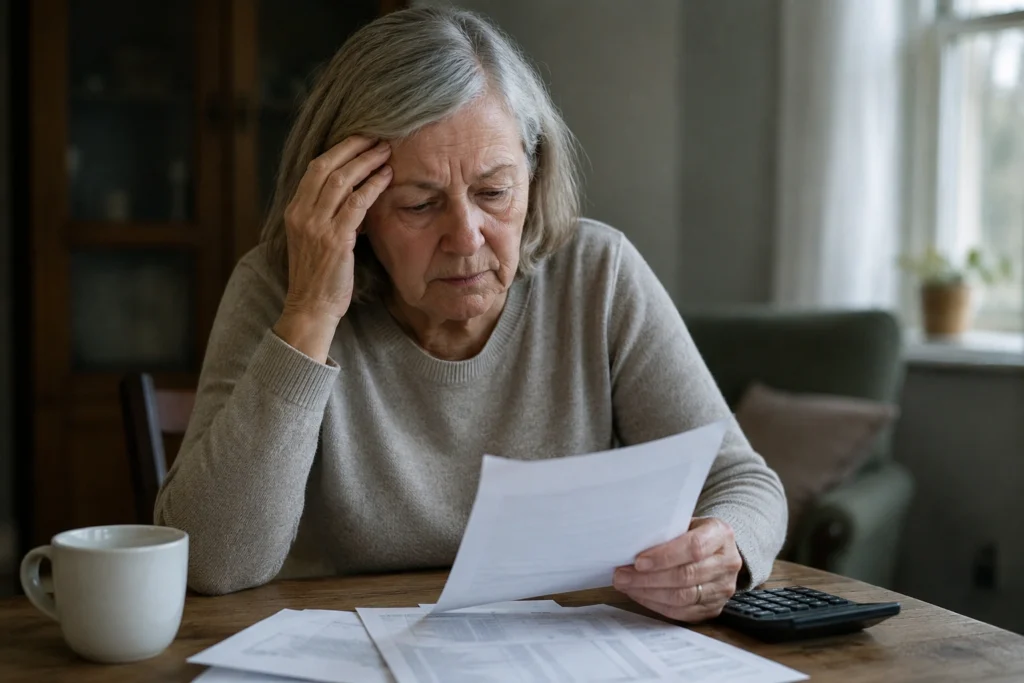
Caoimhe Jennings’ pension struggle has raised significant compassion concerns across Northern Ireland and the wider UK.
Living with a terminal brain tumour, she reportedly sought access to an ill-health retirement pension to help provide financial security and allow her to spend valuable time with her husband and family.
Her case attracted public attention because it highlighted the challenges that seriously ill individuals can face when navigating pension processes.
Beyond her personal circumstances, the story has sparked broader discussions about fairness, administrative delays, compassionate decision-making, and whether the UK pension system adequately supports vulnerable applicants during life-limiting illnesses.
Key Takeaways
- Caoimhe Jennings sought access to an ill-health retirement pension following a terminal diagnosis.
- Her case gained widespread public and political attention in Northern Ireland.
- The situation highlighted concerns about delays and complexity in pension processes.
- Ill-health retirement pensions are designed to support people unable to continue working due to serious illness.
- Public sympathy centred on the importance of dignity, family time, and financial security.
- The case prompted discussions about balancing pension rules with compassionate treatment.
- Experts argue that clearer communication and faster reviews could improve outcomes for terminally ill applicants.
Who Is Caoimhe Jennings and Why Has Her Pension Struggle Drawn Public Attention?
Caoimhe Jennings’ pension struggle gained attention in Northern Ireland after she publicly spoke about the difficulties she faced while seeking access to an ill-health retirement pension.
At just 27 years old, she was living with a terminal brain tumour, and the process of trying to secure pension support became another source of pressure during an already deeply painful period.
Her case attracted public sympathy because it raised a difficult question: should someone facing a terminal diagnosis have to spend precious time dealing with lengthy pension disputes and administrative delays?
A Young Woman Facing Extraordinary Challenges
Jenning’s situation was especially moving because of her age and circumstances. Pension issues are often associated with older people approaching retirement, but ill-health retirement can affect people much earlier in life.
In her case, the matter was not simply about money. It was about dignity, security, and the chance to spend meaningful time with her husband and family without the added burden of financial uncertainty.
How the Story Reached the Public Eye?
According to reports, Jennings was seeking access to her pension through an ill-health retirement arrangement connected to a former employer. She argued that receiving the pension would help her make the most of the time she had left.
The story was later highlighted by regional media and referenced by public figures, including politicians, who called for a compassionate resolution.
| Key Point | Details |
| Person involved | Caoimhe Jennings |
| Location | Northern Ireland |
| Main issue | Access to ill-health retirement pension |
| Health context | Terminal brain tumour |
| Public concern | Compassion, delays, pension entitlement |
| Wider debate | How pension systems treat terminally ill applicants |
Why Has Caoimhe Jennings Been Seeking Access to an Ill-Health Retirement Pension?

Caoimhe Jennings was reportedly seeking access to her pension because her medical condition had changed her life dramatically. Ill-health retirement pensions are designed for situations where a person can no longer continue working because of serious illness or disability.
Understanding Her Circumstances
For someone facing a terminal diagnosis, financial support can have a very human purpose. It may help with daily living costs, family time, travel, care needs, or simply reducing stress during a devastating period.
The caoimhe jennings pension struggle has therefore become more than an individual case. It has become a public example of how policy, process, and compassion can collide.
The Importance of Financial Security During Serious Illness
Financial security can affect emotional wellbeing, decision-making, and family stability. When someone is seriously ill, they may already be dealing with treatment, appointments, pain, uncertainty, and emotional strain.
A pension dispute can add further pressure through:
- repeated paperwork
- medical evidence requests
- unclear communication
- delays in decision-making
- uncertainty over eligibility
- stress for family members
The Impact on Family Life and Future Planning
For Jennings, the pension was reportedly linked to her wish to spend meaningful time with her husband and family. That detail is one reason the case resonated so strongly with the public.
A benefits adviser described this kind of pressure clearly:
“I have seen families reach breaking point not because they do not understand the rules, but because they are forced to keep proving distress that is already obvious. In terminal illness cases, time is not an administrative detail. It is the most important factor.”
How Do Ill-Health Retirement Pensions Work in the UK?
Ill-health retirement pensions allow eligible members of certain pension schemes to access pension benefits earlier than the usual retirement age when illness prevents them from continuing in work.
What Is an Ill-Health Retirement Pension?
An ill-health retirement pension is usually linked to occupational or workplace pension schemes. It may be available when a person is permanently unable to do their job due to illness, or in more serious cases, unable to carry out any work.
Each scheme has its own rules, which means the process can differ depending on the employer, pension provider, and medical evidence required.
Common Eligibility Requirements
Although rules vary, many schemes consider similar factors.
| Area Considered | What It Usually Means |
| Medical condition | Evidence of serious illness or disability |
| Work capacity | Whether the person can continue in their role |
| Permanence | Whether the condition is expected to continue |
| Medical evidence | Reports from doctors or specialists |
| Scheme rules | The specific pension terms that apply |
| Employer role | Former or current employer input may be needed |
Assessment and Approval Processes
The process usually involves an application, supporting medical records, and review by the pension scheme or appointed medical adviser. In some cases, the decision may be straightforward. In others, disputes can arise over interpretation of scheme rules.
This is where compassion concerns often emerge. A policy may appear clear on paper, but the lived experience of applying while seriously ill can be extremely difficult.
What Challenges Can Individuals Face When Applying for an Ill-Health Retirement Pension?

People applying for ill-health retirement may face practical and emotional barriers. These can become more serious when the applicant has a terminal illness.
Common challenges include:
- understanding complex pension rules
- gathering medical documents
- waiting for assessments
- dealing with former employers
- appealing decisions
- managing emotional distress
- coping with uncertainty over income
| Challenge | Impact on Applicant |
| Long processing times | Creates stress and uncertainty |
| Complex wording | Makes rights difficult to understand |
| Medical evidence requests | Adds pressure during illness |
| Lack of clear updates | Leaves families feeling ignored |
| Disputes over entitlement | Can delay financial support |
| Appeals process | May feel overwhelming |
A pension consultant explained the issue from a professional perspective:
“I often find that the problem is not only the pension rule itself. It is the way the process is communicated. I have worked with people who were entitled to support but felt completely lost because no one explained the steps clearly. In serious illness cases, that lack of clarity can feel deeply unfair.”
How Did Caoimhe Jennings’ Case Raise Wider Compassion Concerns?
The caoimhe jennings pension struggle raised compassion concerns because the public saw a young woman with a terminal illness having to fight for pension access at a time when many believed support should have been handled sensitively and urgently.
Compassion in pension administration does not mean ignoring rules. It means applying rules with humanity, clear communication, and awareness of the applicant’s circumstances.
In cases involving terminal illness, compassion may include:
- faster decision-making
- simpler communication
- dedicated case handling
- fewer repeated evidence requests
- clear explanations of decisions
- support for family representatives
The public concern was not simply about whether a pension scheme had rules. It was about whether those rules were being managed in a way that recognised the human cost of delay.
Why Has the Public Responded So Strongly to Caoimhe Jennings’ Situation?
The public response has been strong because Jennings’ story touches on universal fears: illness, time, family, and fairness. Many people can imagine how distressing it would be to spend limited time dealing with financial uncertainty.
Her age also made the case especially striking. At 27, most people are planning careers, relationships, homes, and futures. Jennings was instead dealing with a terminal diagnosis and a pension dispute.
The case also raised wider questions about how institutions treat vulnerable people. When systems appear slow or impersonal, public trust can weaken.
What Role Have Politicians and Community Leaders Played in Supporting the Case?

Reports indicated that public figures, including politicians, referenced Jennings’ case when calling for a compassionate resolution. Political involvement can increase pressure on organisations to review how a case has been handled.
In sensitive cases, politicians and community leaders may help by:
- raising awareness
- asking for urgent review
- calling for compassionate decision-making
- highlighting gaps in policy
- supporting affected families
- encouraging wider reform
However, political support does not replace proper pension procedures. The key issue is whether procedures can be handled quickly, fairly, and humanely when a person is terminally ill.
How Can Pension Providers Balance Policy Requirements with Compassionate Decision-Making?
Pension providers and scheme administrators have a duty to follow rules. They must protect the integrity of the scheme and apply criteria consistently. At the same time, they are dealing with real people, often at moments of vulnerability.
The Need for Fair Procedures
Fair procedures are essential because pension decisions can affect financial security for life. Providers need medical evidence, documentation, and a clear basis for approval or refusal.
Yet fairness should not create unnecessary hardship. A process can be both careful and compassionate.
Considering Exceptional Circumstances
Terminal illness is an exceptional circumstance because time is limited. In these cases, delays can cause harm that cannot be repaired later.
| Policy Need | Compassionate Response |
| Evidence required | Request only essential documents |
| Scheme rules must be followed | Explain rules in plain language |
| Medical review needed | Prioritise terminal illness cases |
| Employer input required | Set urgent response deadlines |
| Decision may be disputed | Provide fast appeal routes |
Building Public Trust Through Transparency
Transparency helps applicants understand what is happening and why. Even when a decision is complex, clear communication can reduce distress.
A former HR pensions officer described the balance clearly:
“I believe rules matter, but I also believe people should not be left chasing updates when they are seriously ill. In my experience, a named contact, plain English letters, and realistic timescales can make an enormous difference to families.”
What Does the Caoimhe Jennings Pension Struggle Reveal About the UK Pension System?
The case reveals how difficult pension access can become when strict processes meet urgent personal circumstances. It also shows that many people may not fully understand their pension rights until they need them.
The UK pension system includes state pensions, workplace pensions, private pensions, and occupational schemes.
Each comes with different rules. Ill-health retirement adds another layer of complexity because medical evidence and scheme interpretation are central to the outcome.
The caoimhe jennings pension struggle highlights a broader concern: people facing serious illness may need more support to understand and navigate the system.
Could Ill-Health Pension Processes Be Improved for Terminally Ill Applicants?
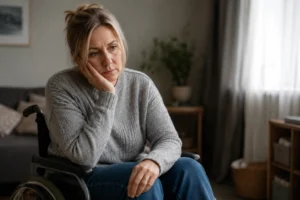
Many observers would argue that ill-health pension processes could be improved, especially for terminally ill applicants.
Reducing Administrative Delays
Delays are one of the biggest concerns in urgent health cases. A faster process could include priority handling where a terminal diagnosis has been confirmed.
Improving Communication and Support
Applicants should not have to interpret complex pension language while dealing with life-changing illness. Clearer communication would help reduce stress.
Creating More Compassionate Pathways
A compassionate pathway could include:
- a dedicated case handler
- shorter response deadlines
- simplified evidence requirements
- direct communication with medical professionals
- family representative access
- urgent appeal mechanisms
| Suggested Improvement | Benefit |
| Priority review for terminal illness | Reduces avoidable delay |
| Plain English guidance | Helps applicants understand rights |
| Named contact person | Prevents confusion |
| Simplified medical evidence | Less pressure on families |
| Faster appeal process | Protects urgent cases |
| Better employer guidance | Improves consistency |
Conclusion
The caoimhe jennings pension struggle has become a powerful reminder that pension decisions are not just administrative matters. They can shape how people experience some of the most difficult moments of their lives.
Jennings’ case drew attention because it involved a young woman living with a terminal brain tumour, seeking pension access to spend meaningful time with her husband and family.
The public response showed deep concern about whether pension processes are compassionate enough for people facing serious illness.
The wider lesson is clear. Ill-health retirement systems must remain fair and evidence-based, but they must also recognise urgency, vulnerability, and dignity. Compassion should not be treated as an exception to good administration. It should be part of it.
FAQs About Caoimhe Jennings Pension Struggle
Can a person with a terminal illness apply for early access to a pension in the UK?
Yes, a person with a terminal illness may be able to apply for early access to pension benefits, depending on the rules of their pension scheme. Workplace and occupational pensions often have specific ill-health retirement criteria.
What is the difference between ill-health retirement and standard retirement?
Standard retirement usually happens when someone reaches the normal pension age set by their scheme. Ill-health retirement may allow earlier access if illness or disability prevents the person from continuing work.
How long can an ill-health pension application take to process?
Timescales vary depending on the pension scheme, medical evidence, employer involvement, and whether the case is disputed. Complex cases may take longer, especially if further medical assessment is required.
Are pension providers required to consider compassionate circumstances?
Pension providers must follow scheme rules, but compassionate handling can influence how quickly and clearly a case is managed. This may include urgent reviews, better communication, and reduced administrative pressure.
What evidence is usually needed for an ill-health retirement application?
Applicants are usually asked for medical evidence from doctors, consultants, or occupational health professionals. The scheme may also require information about the person’s ability to continue working.
Can family members assist with pension applications during serious illness?
Family members can often help with paperwork, communication, and gathering documents, although formal permission may be needed before a pension provider can discuss personal details with them.
What broader issues has the Caoimhe Jennings case highlighted about pension access in the UK?
The case has highlighted concerns about delays, communication, compassion, and the difficulty of navigating pension rules during serious illness. It has also raised questions about whether terminal illness cases should receive faster and more sensitive handling.

Jermaine writes informative business content related to entrepreneurship, finance, innovation, operations, and emerging opportunities for growing businesses in the UK.

DWP SP on Bank Statement | What It Means and Why It Appears?
Have they recently noticed DWP SP on bank statement and wondered what it means? This payment reference often causes confusion, particularly when it appears unexpectedly or alongside other…
DWP Pensioner Income £832 Boost Explained
The phrase “DWP pensioner income £832 boost” refers to official data showing that average pensioner incomes have increased by around £832 per year, reaching approximately £23,660 after housing…
Insights for the Modern
UK Small Business.
Join 15,000+ owners receiving tactical analysis on finance, marketing, and technology. No clutter.
Zero spam. Unsubscribe in one click.